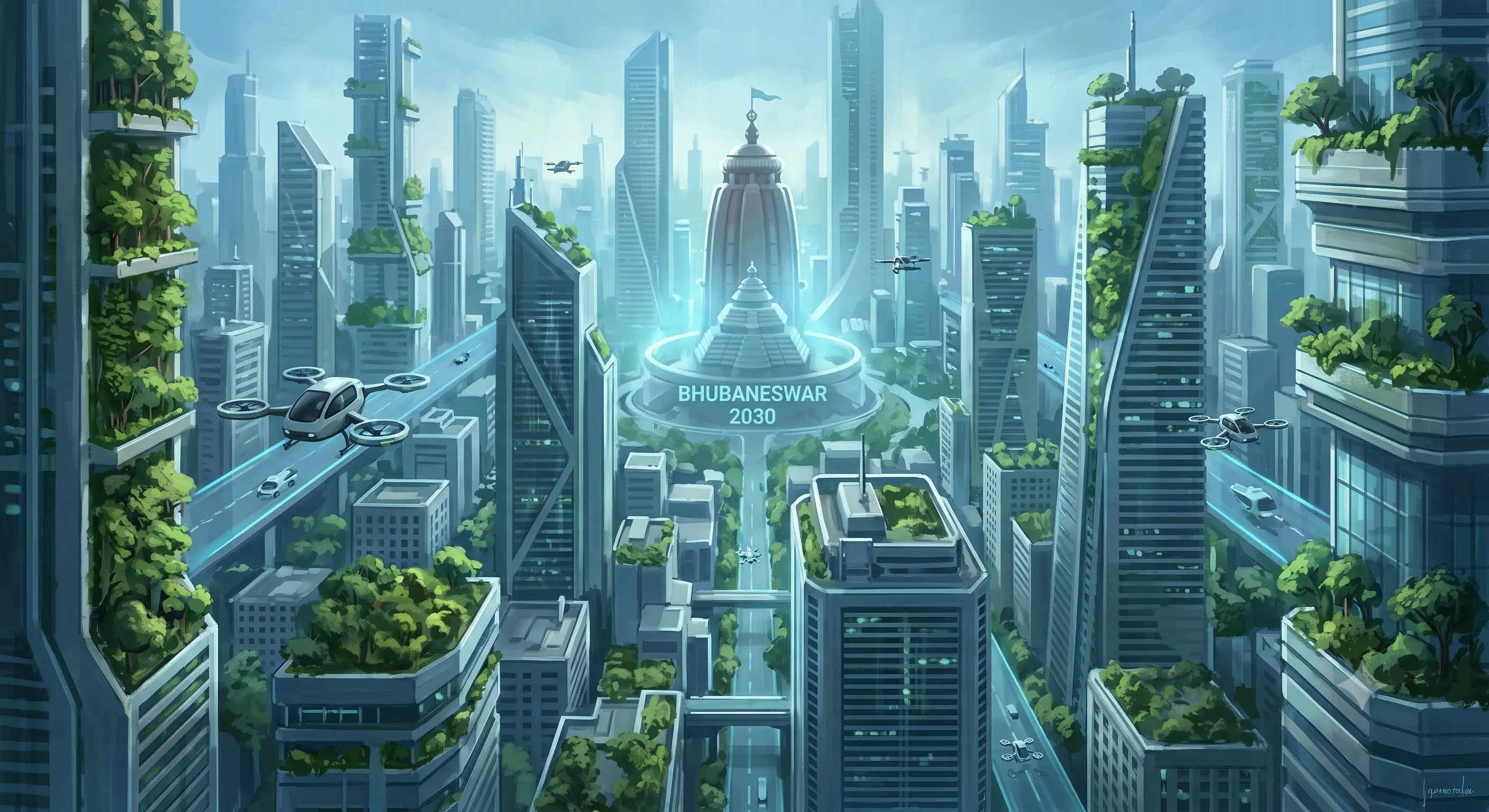
Bhubaneswar's real estate story is far from finished. With continued Smart City investment, expanding industrial activity, and steady population growth, the next few years are likely to reshape the city's residential landscape significantly.
Continued Smart City Infrastructure Rollout
Ongoing road widening, drainage modernization, and digital civic infrastructure are expected to keep improving liveability across both established and developing localities through the rest of the decade.
Expansion of Peripheral Growth Corridors
As central areas approach saturation, peripheral zones with highway access are likely to see the fastest development, following a pattern already visible in corridors like Pahala and Nakhara.
- New residential townships in growth corridors
- Improved public transport and road connectivity
- Growing industrial and IT-linked employment
- Rising demand for gated, amenity-rich communities
Shift Toward Organized, Developer-Led Housing
Buyer preference is steadily moving away from unplanned individual construction toward developer-led projects offering guaranteed documentation, planned amenities, and construction quality assurance.
Rising Demand for Duplex and Independent Living
As families prioritize privacy and space, demand for duplex homes and low-density gated communities is expected to keep growing alongside traditional apartment demand.
Sustained Investment Appeal
Compared to metro cities, Bhubaneswar is expected to retain a meaningful pricing advantage even as infrastructure catches up, keeping it attractive for both end-users and long-term investors through 2030.
Conclusion
Bhubaneswar's growth trajectory points toward a more organized, infrastructure-supported real estate market by 2030. Buyers and investors who position themselves early in emerging corridors are likely to benefit most from this transformation.